
Global Medical Services
International Medical Center
 Diseases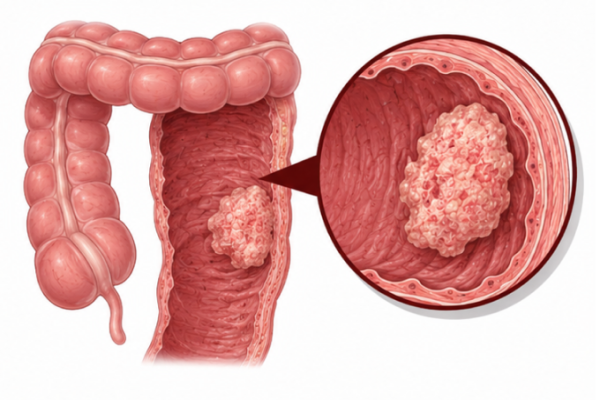
Colorectal cancer is a malignant tumor arising from the mucosa of the colon or rectum and one of the most common gastrointestinal cancers worldwide. Learn about its causes, symptoms, treatment and pro
Colorectal cancer originates from the mucosal epithelium of the colon or rectum and is one of the most common gastrointestinal malignancies worldwide. According to WHO data, there are over 1.9 million new cases and more than 900,000 deaths each year. In China, the incidence has been rising year by year and is showing a trend toward younger patients. The 5-year survival rate of early colorectal cancer can exceed 90%, but survival drops significantly in advanced disease, so early screening and diagnosis are critical.
Genetic Factors: Hereditary diseases such as familial adenomatous polyposis (FAP) and Lynch syndrome significantly increase risk. About 5-10% of colorectal cancers are hereditary.
Dietary Habits: High-fat, high-protein, low-fiber diets and excessive intake of red meat and processed meat are important dietary risk factors.
Lifestyle: A sedentary lifestyle, obesity, smoking and heavy alcohol consumption are all associated with increased risk.
Age: Incidence rises markedly after age 50, although the proportion of younger patients has increased in recent years.
Intestinal Diseases: A long history of inflammatory bowel disease (ulcerative colitis, Crohns disease) increases the risk of malignant transformation.
Polyp History: Adenomatous polyps are the most important precancerous lesions; progression from adenoma to cancer usually takes 5-10 years.
Change in Bowel Habits: Constipation, diarrhea, or alternating constipation and diarrhea lasting for weeks.
Blood in Stool or Black Stools: One of the most common early signals of colorectal cancer.
Abdominal Pain and Distension: Dull, cramping or spasmodic abdominal pain.
Unexplained Weight Loss: Unintentional weight loss over a short period should raise concern.
Anemia and Fatigue: Long-term chronic blood loss leads to iron-deficiency anemia.
Tenesmus: A feeling of incomplete defecation with frequent but small bowel movements.
Abdominal Mass: A palpable mass may be present in some patients.
Bowel Obstruction: In advanced cases, obstruction causes abdominal distension, nausea and vomiting.
Surgery: Surgical resection is the primary curative treatment for localized colorectal cancer. Early-stage (stage I-II) disease can often be cured by surgery alone, with 5-year survival exceeding 90% for stage I.
Endoscopic Resection: Early polyps and superficial lesions can be removed endoscopically (EMR/ESD) without open surgery.
Adjuvant Chemotherapy: Postoperative chemotherapy is recommended for stage III disease and high-risk stage II disease to eliminate residual micrometastases.
Neoadjuvant Therapy: Preoperative chemoradiotherapy is standard for locally advanced rectal cancer to shrink the tumor, improve resectability and preserve sphincter function.
Radiotherapy: Primarily used for rectal cancer, both preoperatively and postoperatively.
Targeted Therapy: Anti-EGFR antibodies (cetuximab, panitumumab) for RAS wild-type tumors; anti-VEGF agents (bevacizumab) for metastatic disease.
Immunotherapy: PD-1/PD-L1 inhibitors are highly effective in MSI-H/dMMR colorectal cancer.
Metastatic Disease Management: Liver and lung metastases can be resected in selected patients; combination systemic therapy plus local treatment improves survival.
Overall Survival: The 5-year survival rate for stage I colorectal cancer exceeds 90%, for stage II it is about 70-85%, for stage III about 50-70%, and for stage IV with metastasis about 10-20%.
Favorable Factors: Early stage at diagnosis, well-differentiated histology, absence of lymph node involvement, and R0 (complete) resection are associated with better outcomes.
Unfavorable Factors: Advanced stage, lymph node metastasis, vascular invasion, high CEA level, BRAF mutations, and MSI-stable tumors are associated with worse outcomes.
Recurrence: Most recurrences occur within the first 2-3 years after surgery, emphasizing the importance of regular follow-up with CEA monitoring and colonoscopy.
Impact of Screening: Regular screening significantly reduces colorectal cancer incidence and mortality by detecting adenomas and early cancers.
Screening: Fecal occult blood testing is recommended annually for people over 45. Colonoscopy every 5-10 years from age 50 (or earlier with family history) enables early detection and removal of precancerous polyps.
Diet: Increase dietary fiber, fresh vegetables and fruits; reduce red meat and processed meat; limit fried and grilled foods.
Lifestyle: Maintain a healthy weight, exercise regularly, quit smoking and limit alcohol.
High-Risk Groups: Patients with inflammatory bowel disease, family history of colorectal cancer or adenomatous polyps should undergo more frequent surveillance and genetic counseling if appropriate.
Post-Treatment Follow-Up: CEA monitoring every 3-6 months for the first 2 years, colonoscopy at 1 year after surgery and then every 3-5 years, and imaging as needed.
Recognize Warning Signs: Seek prompt medical attention for persistent changes in bowel habits, blood in stool, or unexplained weight loss.
Concerned about Colorectal Cancer? Submit your medical records for a professional evaluation.
Upload Documents View Patient CasesPrepare pathology reports, imaging scans, genetic testing reports and prior treatment records for faster review.