
Global Medical Services
International Medical Center
 Diseases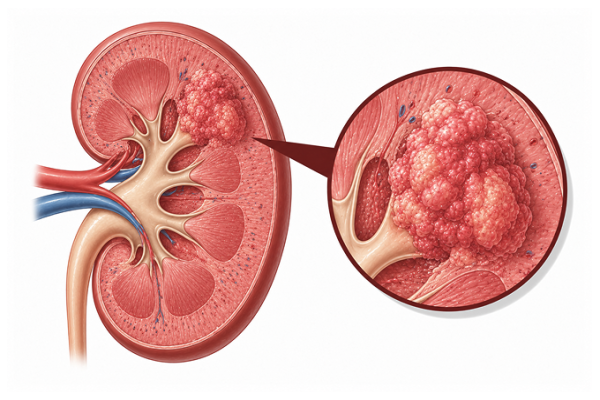
Kidney cancer is a disease in which malignant cells form in the tissues of the kidneys. Learn about the causes, symptoms, treatment options, and prognosis of kidney cancer at Guangzhou Fosun Chancheng
Kidney cancer, also known as renal cell carcinoma (RCC), develops when kidney cells undergo genetic mutations that cause uncontrolled growth and division. The major risk factors include:
Smoking: Tobacco use doubles the risk of developing kidney cancer and accounts for approximately 30% of cases. The risk is dose-dependent and decreases after cessation.
Obesity: Excess body weight causes hormonal changes, including increased estrogen and insulin levels, that promote kidney cancer development. Obesity is estimated to contribute to 25-30% of kidney cancer cases.
Hypertension (High Blood Pressure): Chronic hypertension is a well-established independent risk factor for RCC. Both the condition itself and certain antihypertensive medications have been associated with increased risk.
Family History and Genetic Conditions: Inherited syndromes significantly increase risk, including von Hippel-Lindau (VHL) disease, hereditary papillary renal cell carcinoma, Birt-Hogg-Dube syndrome, and tuberous sclerosis complex. Approximately 4% of kidney cancers are hereditary.
Occupational Exposure: Long-term exposure to certain industrial chemicals including trichloroethylene, cadmium, asbestos, and petroleum byproducts has been linked to increased kidney cancer risk.
Chronic Kidney Disease and Dialysis: Patients on long-term dialysis commonly develop acquired cystic kidney disease (ACKD), which increases the risk of RCC by up to 30 times compared to the general population.
Age and Gender: Kidney cancer most commonly affects people aged 50-70, with a median age at diagnosis of 64. Men are approximately twice as likely to develop kidney cancer as women.
Other Risk Factors: Previous radiation therapy to the abdomen, certain genetic polymorphisms, hepatitis C infection, and sickle cell disease-associated renal medullary carcinoma are additional predisposing factors.
Kidney cancer often remains asymptomatic in early stages and is frequently discovered incidentally during imaging for other reasons. When symptoms do occur, they may include:
Hematuria (Blood in Urine): The most common presenting symptom, occurring in approximately 40-60% of symptomatic patients. Urine may appear pink, red, or cola-colored. The bleeding may be visible (gross hematuria) or microscopic, and may be intermittent.
Flank Pain: Persistent dull ache or sharp pain in the side or lower back, typically unilateral. Pain may be caused by tumor stretching the renal capsule, invasion of surrounding structures, or obstruction from blood clots.
Palpable Abdominal Mass: A firm, non-tender mass may be felt in the flank or upper abdomen during physical examination. This finding alone is uncommon in the era of cross-sectional imaging.
Unintentional Weight Loss: Significant and unexplained weight loss exceeding 5% of body weight over 6-12 months, often accompanying other constitutional symptoms.
Fatigue and Malaise: Persistent tiredness, weakness, and lack of energy disproportionate to activity level. Cancer-related fatigue is often refractory to rest.
Fever: Intermittent low-grade fever not associated with infection. Approximately 20% of patients experience tumor-related fever due to cytokine production.
Anemia: Low red blood cell count causing pallor, weakness, shortness of breath on exertion, and dizziness. Occurs in approximately 30% of patients.
Hypertension: New-onset or worsening high blood pressure caused by renin secretion by the tumor or compression of the renal artery.
Varicocele: In males, acute onset of a left-sided varicocele that does not collapse when lying down may indicate a renal tumor obstructing the left testicular vein. This is a classic but uncommon sign.
Paraneoplastic Syndromes: Systemic effects of malignancy not related to direct tumor invasion include hypercalcemia (elevated blood calcium causing confusion, constipation, kidney stones), polycythemia (abnormally increased red blood cells), and Stauffer syndrome (non-metastatic hepatic dysfunction).
Lower Extremity Edema: Swelling of the legs due to tumor compression of the inferior vena cava or lymphatic obstruction.
The classic triad of flank pain, palpable mass, and hematuria occurs in fewer than 10% of cases and typically indicates locally advanced or metastatic disease. Any persistent or unexplained symptom warrants prompt urological evaluation.
Treatment for kidney cancer depends on the stage, tumor size, location, histological subtype, and the patient's overall health. At Guangzhou Fosun Chancheng Hospital, our multidisciplinary team develops personalized treatment plans using the latest evidence-based approaches:
Surgery: The mainstay of treatment for localized kidney cancer. Options include:
Ablation Therapy: For small tumors (<3 cm) in patients who are not surgical candidates. Techniques include radiofrequency ablation (RFA), cryoablation, and microwave ablation, which destroy cancer cells using heat or extreme cold.
Targeted Therapy: Drugs that block specific molecules involved in tumor growth and angiogenesis:
Immunotherapy: Checkpoint inhibitors that activate the patient's immune system to recognize and attack cancer cells:
Radiation Therapy: Primarily used for palliation of symptomatic bone metastases and brain metastases. Stereotactic body radiation therapy (SBRT) may be used for oligometastatic disease in selected patients.
Active Surveillance: For small renal masses (<2 cm) in elderly or comorbid patients, periodic monitoring with imaging (CT/MRI/ultrasound) rather than immediate intervention, with a low threshold for switching to active treatment if the tumor grows.
Cytoreductive Nephrectomy: Removal of the primary kidney tumor in the setting of metastatic disease, followed by systemic therapy, may benefit selected patients with good performance status.
The prognosis of kidney cancer varies significantly based on stage at diagnosis, histological subtype, tumor grade, and patient performance status. Early detection and advances in treatment have substantially improved outcomes:
Survival by Stage:
Prognostic Models and Risk Stratification:
Favorable Prognostic Factors: Clear cell histology (responsive to targeted therapy and immunotherapy), early stage at diagnosis, low Fuhrman nuclear grade (1-2), good performance status (ECOG 0-1), long disease-free interval before recurrence (>1 year), and absence of sarcomatoid or rhabdoid differentiation.
Unfavorable Prognostic Factors: Sarcomatoid dedifferentiation, non-clear cell histology (papillary type 2, collecting duct carcinoma, renal medullary carcinoma), elevated serum lactate dehydrogenase (LDH), hypercalcemia, anemia, neutrophilia, thrombocytosis, poor performance status, brain or liver metastases, and short time from nephrectomy to recurrence (<1 year).
Long-Term Follow-Up: After curative-intent treatment, surveillance typically includes periodic chest imaging and abdominal CT/MRI at intervals determined by risk of recurrence. Late recurrences (>5 years) can occur, particularly in clear cell RCC, necessitating prolonged follow-up beyond the standard 5-year surveillance period.
Patients diagnosed with kidney cancer and those at elevated risk should observe the following precautions and self-care measures to optimize treatment outcomes and quality of life:
Adhere to Scheduled Follow-Up: Comply with the structured surveillance protocol recommended by your oncology team. Surveillance typically includes periodic imaging (CT, MRI, or ultrasound) and laboratory tests (complete blood count, comprehensive metabolic panel, LDH). The frequency depends on stage, histological subtype, and estimated risk of recurrence. Do not skip or delay follow-up appointments.
Smoking Cessation: If you smoke, immediate and complete cessation is critical. Smoking not only increases the risk of developing kidney cancer but also worsens treatment outcomes, increases surgical complications, reduces response to systemic therapy, and raises the risk of second primary malignancies. Seek smoking cessation counseling and pharmacotherapy if needed.
Blood Pressure Management: Monitor blood pressure regularly and maintain it within target ranges (<140/90 mmHg for most patients, or <130/80 mmHg for those with proteinuria or chronic kidney disease). Hypertension is both a risk factor and a potential consequence of kidney cancer treatment. Adhere to prescribed antihypertensive medications and adopt a low-sodium diet.
Healthy Weight Maintenance: Achieve and maintain a healthy body weight (BMI 18.5-24.9 kg/m2). Obesity is associated with worse outcomes in kidney cancer, and weight loss after diagnosis may improve survival. Work with a dietitian to develop a sustainable nutrition plan emphasizing plant-based foods, lean proteins, and whole grains while limiting processed foods and added sugars.
Kidney Function Protection: Patients with a solitary kidney following nephrectomy require diligent preservation of remaining renal function. Avoid nephrotoxic medications (NSAIDs such as ibuprofen, naproxen; certain antibiotics; intravenous contrast dye when alternatives exist). Stay well-hydrated (1.5-2 liters of water daily unless fluid-restricted). Report any changes in urination patterns, flank pain, or edema promptly.
Dietary Modifications: Adopt a kidney-friendly diet emphasizing fruits, vegetables, and whole grains. Limit red and processed meat consumption. Reduce sodium intake to <2,300 mg/day. Moderate protein intake based on kidney function status. Patients with impaired renal function should follow phosphorus and potassium restrictions as advised by a registered dietitian.
Physical Activity: Engage in regular moderate-intensity exercise (walking, swimming, cycling) for at least 150 minutes per week, as tolerated. Physical activity reduces cancer-related fatigue, improves quality of life, aids weight management, and may reduce the risk of recurrence. Adapt exercise intensity based on treatment phase and energy levels.
Medication Compliance and Caution: Take all prescribed medications as directed. Do not discontinue or modify doses without consulting your oncologist. Before starting any new medication (including over-the-counter drugs, supplements, or herbal products), consult your healthcare team, as some may interact with cancer therapies or affect kidney function.
Psychological and Emotional Well-Being: Cancer diagnosis and treatment impose significant emotional burden. Seek professional psychological counseling or join cancer support groups. Address anxiety, depression, and fear of recurrence proactively. Mindfulness-based stress reduction, meditation, and relaxation techniques may complement conventional psychological support.
Alcohol Moderation or Abstinence: Limit alcohol consumption to no more than one drink per day for women and two for men. Excessive alcohol intake is associated with increased cancer risk, liver stress during systemic therapy, and potential nephrotoxicity.
Infection Prevention During Treatment: During active systemic therapy (targeted therapy or immunotherapy), practice diligent hand hygiene, avoid close contact with individuals with active infections, stay current with recommended vaccinations (as approved by your oncologist), and report any signs of infection (fever >38°C, chills, productive cough, or urinary symptoms) promptly.
Sun Protection: Certain targeted therapies increase photosensitivity. Use broad-spectrum sunscreen (SPF 30+), wear protective clothing, and limit sun exposure during peak hours (10am-4pm).
Concerned about Kidney Cancer? Submit your medical records for a professional evaluation.
Upload Documents View Patient CasesPrepare pathology reports, imaging scans, genetic testing reports and prior treatment records for faster review.