
Global Medical Services
International Medical Center
 Diseases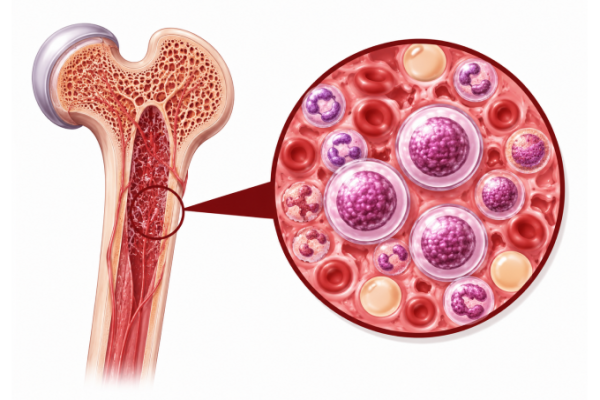
Leukemia is a cancer of blood-forming tissues, including bone marrow and the lymphatic system. Learn about the types, causes, symptoms, treatment options, and prognosis of leukemia at Guangzhou Fosun
Leukemia is a cancer of the body's blood-forming tissues, including the bone marrow and lymphatic system. It results from genetic mutations in hematopoietic stem cells or progenitor cells that lead to uncontrolled proliferation of abnormal white blood cells. The exact cause is often unknown, but several risk factors have been identified:
Genetic and Chromosomal Abnormalities: Certain genetic syndromes and chromosomal translocations are strongly associated with leukemia. Examples include Philadelphia chromosome (t(9;22)) in chronic myeloid leukemia (CML), translocations involving the MLL gene in acute leukemias, and t(8;21) or inv(16) in acute myeloid leukemia (AML). Down syndrome (trisomy 21) confers a 10-20 fold increased risk of acute leukemia.
Ionizing Radiation Exposure: High-dose radiation exposure, such as from atomic bomb survivors, nuclear accidents, or previous radiation therapy for other cancers, significantly increases leukemia risk. Even diagnostic radiation at cumulative high doses has been implicated.
Chemical and Environmental Exposures: Long-term exposure to benzene (found in petroleum products, cigarette smoke, and industrial solvents), certain chemotherapy drugs (alkylating agents, topoisomerase II inhibitors), pesticides, and herbicides increases leukemia risk.
Previous Chemotherapy and Radiation Therapy: Treatment for prior cancers with alkylating agents or topoisomerase II inhibitors can cause therapy-related AML (t-AML) or myelodysplastic syndrome (t-MDS), typically occurring 2-10 years after treatment.
Smoking: Tobacco smoke contains benzene and other carcinogens. Smoking is associated with a 1.5-2 fold increased risk of AML and accounts for approximately 15-20% of AML cases.
Viral Infections: Human T-lymphotropic virus type 1 (HTLV-1) is causally associated with adult T-cell leukemia/lymphoma. Epstein-Barr virus (EBV) is linked to certain leukemia subtypes in immunocompromised individuals.
Inherited Syndromes and Family History: Li-Fraumeni syndrome, Fanconi anemia, Bloom syndrome, ataxia-telangiectasia, and neurofibromatosis type 1 are associated with increased leukemia risk. First-degree relatives of leukemia patients have a 2-4 fold increased risk.
Myelodysplastic Syndromes and Other Bone Marrow Disorders: Myelodysplastic syndromes (MDS), myeloproliferative neoplasms, aplastic anemia, and paroxysmal nocturnal hemoglobinuria can progress to acute leukemia.
Age and Gender: The incidence of most leukemia types increases with age. Males have a slightly higher risk than females across most subtypes.
Leukemia symptoms vary depending on the type and rate of disease progression. Acute leukemias typically present with rapidly developing symptoms over days to weeks, while chronic leukemias may be asymptomatic for months to years and discovered incidentally on routine blood tests:
Constitutional Symptoms:
Hematologic Symptoms (Due to Bone Marrow Failure):
Organ Infiltration Symptoms:
Central Nervous System Symptoms:
Other Specific Presentations:
Treatment for leukemia depends on the type (acute vs. chronic), subtype (lymphoid vs. myeloid), cytogenetic and molecular risk profile, patient age, and overall health. At Guangzhou Fosun Chancheng Hospital, our hematology-oncology team develops individualized treatment plans:
Chemotherapy: The cornerstone of leukemia treatment, using cytotoxic drugs to destroy rapidly dividing leukemia cells. Regimens vary by leukemia subtype:
Targeted Therapy: Drugs that specifically target molecular abnormalities in leukemia cells:
Immunotherapy: Harnessing the immune system to fight leukemia:
Hematopoietic Stem Cell Transplantation (HSCT): Allogeneic HSCT offers a potentially curative option for high-risk or relapsed leukemia. It replaces diseased bone marrow with healthy donor stem cells and provides a graft-versus-leukemia effect. Autologous HSCT may be used in selected settings.
Radiation Therapy: Total body irradiation (TBI) as part of conditioning regimen before HSCT, involved-field radiation for bulky or symptomatic extramedullary disease, and CNS radiation for sanctuary site disease.
Supportive Care: Essential components include blood product transfusions, antimicrobial prophylaxis and treatment, growth factor support (G-CSF), and management of tumor lysis syndrome.
The prognosis of leukemia varies dramatically depending on the specific type, cytogenetic and molecular features, patient age, and response to initial therapy. Significant advances in targeted therapy and immunotherapy have greatly improved outcomes:
Acute Lymphoblastic Leukemia (ALL):
Acute Myeloid Leukemia (AML):
Chronic Myeloid Leukemia (CML):
Chronic Lymphocytic Leukemia (CLL):
Measurable Residual Disease (MRD): Achievement of MRD negativity (no detectable leukemia cells by highly sensitive techniques) after treatment is a powerful predictor of long-term remission and survival in ALL, AML, and CLL.
Patients undergoing treatment for leukemia require comprehensive supportive care and vigilant monitoring to prevent complications and optimize outcomes:
Infection Prevention (Critical During Neutropenia): Leukemia and its treatment cause profound immunosuppression. Patients must practice meticulous hand hygiene, avoid crowds and individuals with active infections, avoid raw or undercooked foods, and immediately report any fever above 38.0 degrees Celsius. Prophylactic antibiotics, antivirals, and antifungals are typically prescribed during intensive chemotherapy phases.
Bleeding Precautions (During Thrombocytopenia): When platelet counts are low, patients should avoid activities with high bleeding risk (contact sports, heavy lifting), use an electric razor instead of blades, use a soft-bristled toothbrush, avoid NSAIDs and aspirin-containing products, and report any unusual bruising, petechiae, or bleeding immediately.
Adherence to Treatment Schedule: Leukemia treatment protocols are time-intensive and require strict adherence. Do not miss or delay chemotherapy cycles, targeted therapy doses, or follow-up appointments. Keep a medication diary and use pill organizers to ensure compliance with complex oral regimens.
Transfusion Support Management: Patients may require frequent red blood cell and platelet transfusions. Report symptoms of anemia (severe fatigue, shortness of breath, chest pain) and thrombocytopenia (active bleeding, petechiae) promptly. Iron overload from chronic transfusion support may require iron chelation therapy.
Graft-Versus-Host Disease (GVHD) Monitoring (Post-Transplant): Allogeneic HSCT recipients require lifelong surveillance for acute and chronic GVHD, which can affect the skin (rash), liver (jaundice, elevated enzymes), gastrointestinal tract (diarrhea, nausea), eyes (dryness), and lungs (bronchiolitis obliterans).
Vaccination Schedule: Following completion of therapy, patients should undergo revaccination according to post-HSCT or post-chemotherapy guidelines. Live vaccines are contraindicated during active treatment and for at least 6-24 months after HSCT.
Nutrition and Hydration: Maintain adequate caloric intake and hydration. A neutropenic diet (avoiding raw fruits, vegetables, and undercooked proteins) is recommended during periods of severe neutropenia. Work with a clinical dietitian to address chemotherapy-induced nausea, mucositis, and taste changes.
Long-Term Survivorship Care: Childhood and adult leukemia survivors require lifelong monitoring for late effects including secondary malignancies (particularly therapy-related MDS/AML), cardiotoxicity from anthracyclines, neurocognitive effects, endocrine dysfunction, infertility, osteoporosis, and psychosocial challenges.
Psychological Support: The intensive nature of leukemia treatment imposes significant psychological burden. Seek professional counseling, join support groups (Leukemia & Lymphoma Society), and address anxiety, depression, and fear of recurrence proactively.
Lifestyle Modifications: No alcohol consumption during active treatment due to potential for hepatotoxicity and bone marrow suppression. Avoid all tobacco products. Engage in gentle exercise as tolerated to combat fatigue and maintain muscle strength.
Concerned about Leukemia? Submit your medical records for a professional evaluation.
Upload Documents View Patient CasesPrepare pathology reports, imaging scans, genetic testing reports and prior treatment records for faster review.