
Global Medical Services
International Medical Center
 Diseases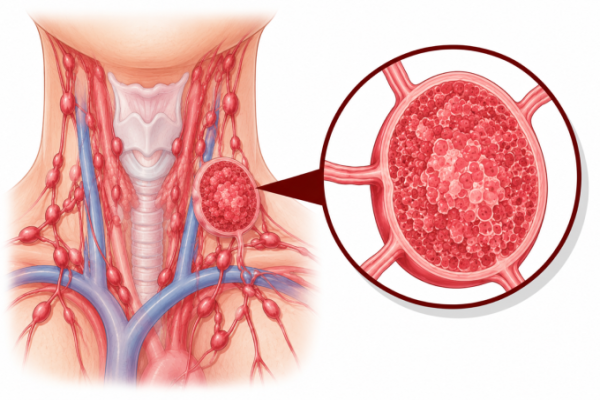
Lymphoma is a cancer of the lymphatic system, which is part of the body's immune system. Learn about the types, causes, symptoms, treatment options, and prognosis of lymphoma at Guangzhou Fosun Chanch
Lymphoma is a cancer that originates in the lymphatic system, primarily affecting lymphocytes (B cells, T cells, or NK cells). It is broadly classified into Hodgkin lymphoma (HL) and non-Hodgkin lymphoma (NHL). The exact cause is often unknown, but multiple risk factors have been identified:
Immunosuppression and Immune Dysregulation: The most significant risk factor. HIV/AIDS patients have a 60-100 fold increased risk of NHL, particularly aggressive B-cell lymphomas. Organ transplant recipients on chronic immunosuppressive therapy develop post-transplant lymphoproliferative disorder (PTLD). Autoimmune diseases such as rheumatoid arthritis, systemic lupus erythematosus, Sjogren syndrome, and celiac disease are associated with increased lymphoma risk.
Infectious Agents:
Genetic and Familial Factors: First-degree relatives of lymphoma patients have a 2-3 fold increased risk. Specific genetic alterations include BCL2 translocation t(14;18) in follicular lymphoma, MYC translocation t(8;14) in Burkitt lymphoma, and BCL6 rearrangements in diffuse large B-cell lymphoma (DLBCL).
Chemical and Environmental Exposures: Pesticides, herbicides (particularly phenoxy herbicides and glyphosate), benzene, certain hair dyes, and occupational exposure to solvents have been associated with increased NHL risk.
Radiation Exposure: Survivors of atomic bomb radiation exposure, nuclear accidents, and prior radiation therapy have increased lymphoma risk.
Age and Gender: The incidence of NHL increases steadily with age, with a median age at diagnosis of 67. HL has a bimodal age distribution peaking in young adulthood (15-35 years) and after age 55. Males have a slightly higher risk for most lymphoma subtypes.
Lymphoma symptoms vary depending on the subtype, stage, and sites of involvement. The hallmark presentation is painless lymph node enlargement, but symptoms can be diverse due to the widespread distribution of lymphatic tissue:
Lymphadenopathy (Enlarged Lymph Nodes): The most common presenting sign. Lymph nodes are typically firm, rubbery, non-tender, and mobile. They most commonly appear in the cervical (neck), supraclavicular, axillary (armpit), or inguinal (groin) regions. Unlike reactive lymphadenopathy from infection, lymphoma-related lymphadenopathy persists and progressively enlarges.
B Symptoms (Constitutional Symptoms): These are important prognostic indicators in both HL and NHL:
Other Constitutional Symptoms: Severe fatigue interfering with daily activities, pruritus (itching) without rash (particularly in HL), and anorexia.
Mediastinal Involvement: Anterior mediastinal mass can cause cough, chest pain, dyspnea (shortness of breath), stridor, dysphagia, and superior vena cava syndrome (facial swelling, neck vein distention, arm edema). This is common in nodular sclerosis HL and primary mediastinal B-cell lymphoma.
Abdominal and Pelvic Involvement: Splenomegaly causing left upper quadrant fullness and early satiety; hepatomegaly; abdominal pain or distention; ascites; bowel obstruction; and ureteral obstruction.
Extranodal Symptoms (More Common in NHL):
Alcohol-Induced Pain: Pain in involved lymph nodes within minutes of alcohol consumption, a rare but classic symptom of Hodgkin lymphoma.
Treatment for lymphoma depends on the type (Hodgkin vs. non-Hodgkin), histological subtype, stage, prognostic factors, and the patient's age and overall health. At Guangzhou Fosun Chancheng Hospital, our multidisciplinary team develops individualized treatment strategies:
Chemotherapy: The backbone of lymphoma treatment across most subtypes:
Immunotherapy and Targeted Therapy:
CAR T-Cell Therapy: Axicabtagene ciloleucel, tisagenlecleucel, lisocabtagene maraleucel, and brexucabtagene autoleucel are approved CD19-directed CAR T-cell therapies for relapsed/refractory aggressive B-cell lymphomas. These can produce durable remissions in patients with chemotherapy-refractory disease.
Radiation Therapy: Involved-site radiation therapy (ISRT) is used for early-stage HL and limited-stage aggressive NHL as consolidation after abbreviated chemotherapy. Radiation is also effective for palliation of symptomatic disease sites.
Stem Cell Transplantation: High-dose chemotherapy with autologous stem cell rescue is the standard second-line treatment for relapsed chemosensitive DLBCL and HL. Allogeneic HSCT may be considered for younger patients with relapsed/refractory disease.
Watchful Waiting (Active Surveillance): For asymptomatic low-tumor-burden indolent lymphomas (follicular lymphoma, small lymphocytic lymphoma), observation without immediate treatment is a standard option.
The prognosis of lymphoma varies widely depending on the specific subtype, stage, prognostic indices, and response to therapy. Significant therapeutic advances in immunotherapy and targeted agents have dramatically improved outcomes for many subtypes:
Hodgkin Lymphoma (HL):
Diffuse Large B-Cell Lymphoma (DLBCL):
Follicular Lymphoma: Indolent but generally incurable with conventional therapy. Median overall survival exceeds 18-20 years in the rituximab era. FLIPI (Follicular Lymphoma International Prognostic Index) risk score predicts outcome. Transformation to aggressive lymphoma (3% per year) worsens prognosis significantly.
Mantle Cell Lymphoma: Median overall survival 5-10 years with modern therapy. Cytarabine-containing induction followed by autologous HSCT consolidation in younger patients and rituximab maintenance have improved outcomes. BTK inhibitors are highly active in relapsed disease.
Burkitt Lymphoma: Highly aggressive but curable with intensive chemotherapy. Cure rates exceed 80-90% in children and 60-80% in adults with modern protocols. CNS involvement at diagnosis worsens prognosis.
Patients undergoing treatment for lymphoma require comprehensive management of treatment-related toxicities and vigilant surveillance for recurrence:
Infection Prevention: Lymphoma and its treatment cause significant immunosuppression. Patients must practice rigorous hand hygiene, avoid individuals with active respiratory or other infections, avoid crowded indoor spaces during neutropenic periods, and report any fever above 38 degrees Celsius immediately. Prophylactic antibiotics, antivirals, and Pneumocystis jirovecii pneumonia (PJP) prophylaxis with trimethoprim-sulfamethoxazole are standard during certain regimens.
Chemotherapy-Related Toxicity Monitoring:
Vaccination and Immunization: Live vaccines are contraindicated during active treatment. Inactivated influenza and COVID-19 vaccines can be administered but may have reduced efficacy. Post-treatment revaccination schedule should follow ASCO/IDSA guidelines, typically beginning 3-6 months after completion of chemotherapy and 6-24 months after HSCT.
Long-Term Survivorship Surveillance:
Nutrition and Lifestyle: Maintain a balanced diet rich in fruits, vegetables, and whole grains; limit processed meats and alcohol. During neutropenia, follow food safety guidelines (avoid unpasteurized dairy, raw or undercooked foods). Regular moderate exercise helps combat fatigue and maintains muscle mass.
Psychological Support: The lymphoma journey can be psychologically demanding. Seek counseling, join support groups (Leukemia & Lymphoma Society), and address anxiety, depression, and fear of recurrence proactively.
Concerned about Lymphoma? Submit your medical records for a professional evaluation.
Upload Documents View Patient CasesPrepare pathology reports, imaging scans, genetic testing reports and prior treatment records for faster review.