
Global Medical Services
International Medical Center
 Diseases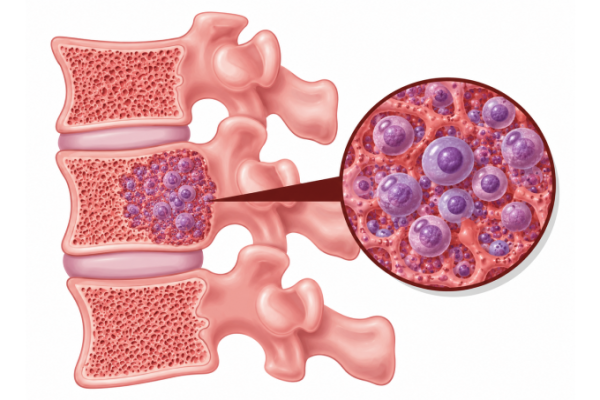
Multiple myeloma is a cancer of plasma cells that accumulate in the bone marrow and produce abnormal antibodies. Learn about the causes, symptoms, treatment options, and prognosis at Guangzhou Fosun C
Multiple myeloma is a malignant plasma cell neoplasm characterized by clonal proliferation of plasma cells in the bone marrow, production of monoclonal immunoglobulin (M protein), and associated end-organ damage. The exact cause is unknown, but the disease arises through a multi-step process from an asymptomatic precursor state:
Precursor Conditions: Multiple myeloma is almost always preceded by monoclonal gammopathy of undetermined significance (MGUS) or smoldering multiple myeloma (SMM). MGUS progresses to myeloma at a rate of approximately 1% per year. SMM has a higher progression risk of 10% per year for the first 5 years, then decreasing to 3% per year thereafter.
Genetic and Chromosomal Abnormalities: Myeloma is characterized by complex genetic alterations:
Age and Gender: The median age at diagnosis is 65-70 years. The disease is rare under age 40 (<2% of cases). Men are slightly more affected than women (1.4:1 ratio).
Race and Ethnicity: African Americans have a 2-3 fold higher incidence compared to Caucasians. MGUS is also more prevalent in African Americans, suggesting a genetic predisposition.
Environmental and Occupational Exposures: Exposure to ionizing radiation, agricultural chemicals and pesticides, benzene, and petroleum products has been associated with increased risk. The evidence is strongest for radiation exposure based on atomic bomb survivor studies.
Obesity and Chronic Inflammation: Obesity (BMI >30) is associated with increased risk of MGUS and progression to multiple myeloma. Chronic antigenic stimulation and inflammatory conditions may contribute to plasma cell dyscrasia development.
Family History: First-degree relatives of multiple myeloma patients have a 2-4 fold increased risk. Familial cases are well documented, suggesting genetic susceptibility.
The acronym CRAB summarizes the classic presenting features of symptomatic multiple myeloma requiring treatment. Many patients are initially asymptomatic with MGUS or smoldering myeloma discovered incidentally on routine blood tests:
HyperCalcemia (Elevated Blood Calcium): Bone destruction releases calcium into the bloodstream. Symptoms include nausea, vomiting, constipation, polyuria (excessive urination), polydipsia (excessive thirst), confusion, lethargy, and in severe cases, coma and cardiac arrhythmias. Hypercalcemia is present in approximately 13% of patients at diagnosis.
Renal (Kidney) Dysfunction: Renal impairment is present in 20-40% of patients at diagnosis and is a major cause of morbidity. Caused by light chain cast nephropathy (myeloma kidney), hypercalcemia-induced nephropathy, dehydration, and nephrotoxic medications. Manifestations include fatigue, edema, oliguria, and elevated serum creatinine. Prompt recognition and treatment are critical as renal recovery is more likely with rapid intervention.
Anemia: Normocytic normochromic anemia due to bone marrow infiltration by plasma cells and relative erythropoietin deficiency. Present in 70% of patients at diagnosis. Symptoms include severe fatigue, pallor, weakness, shortness of breath on exertion, palpitations, and dizziness.
Bone Lesions (Bone Pain and Pathologic Fractures): The hallmark symptom. Myeloma cells activate osteoclasts and suppress osteoblasts, leading to osteolytic lesions. Bone pain, typically in the back, ribs, hips, or skull, is the presenting symptom in 60-70% of patients. Pain is often worse with movement and at night. Pathologic fractures can occur with minimal or no trauma. Vertebral compression fractures can cause height loss, kyphosis, and spinal cord compression.
Recurrent Infections: Myeloma patients are immunosuppressed due to hypogammaglobulinemia (suppression of normal antibody production), impaired T-cell function, and treatment-related immunosuppression. Recurrent bacterial infections, particularly pneumococcal pneumonia, Haemophilus influenzae infections, and herpes zoster reactivation are common. Infection is a leading cause of death in multiple myeloma.
Hyperviscosity Syndrome: High levels of M protein, particularly IgM (Waldenstrom macroglobulinemia) and IgA myeloma, increase blood viscosity. Symptoms include headache, blurred vision, epistaxis, mucosal bleeding, mental status changes, and in severe cases, stroke or retinal hemorrhage.
Peripheral Neuropathy: Numbness, tingling, burning pain, or weakness in the hands and feet. May be due to paraprotein deposition (AL amyloidosis), spinal cord or nerve root compression, or treatment-related (bortezomib, thalidomide).
Other Manifestations:
Treatment for multiple myeloma has been revolutionized by novel agents including proteasome inhibitors, immunomodulatory drugs, monoclonal antibodies, and cellular therapies. Treatment decisions are guided by transplant eligibility, risk stratification, and patient performance status:
Induction Therapy (Transplant-Eligible Patients): Three-drug or four-drug combinations used to achieve deep responses before autologous stem cell transplantation (ASCT):
Autologous Stem Cell Transplantation (ASCT): High-dose melphalan (200 mg/m2) followed by autologous stem cell rescue remains the standard of care for eligible patients up to age 70-75. It deepens response rates and prolongs progression-free survival (PFS) by 12-18 months compared to chemotherapy alone. Tandem ASCT may be considered for high-risk patients.
Maintenance Therapy (Post-ASCT): Lenalidomide maintenance until progression improves PFS and overall survival. Bortezomib-based maintenance is preferred for high-risk cytogenetics. Ixazomib is an oral proteasome inhibitor option for maintenance.
Transplant-Ineligible Patients: Continuous therapy with VRd, daratumumab-Rd (DRd), or daratumumab-VMP (bortezomib, melphalan, prednisone) until progression. DRd has shown superior PFS and overall survival compared to Rd alone.
Novel Agents and Immunotherapy:
Supportive Care: Integral to myeloma management including bisphosphonates (zoledronic acid) or denosumab for bone disease, hydration and urate-lowering therapy for renal protection, prophylactic antivirals (acyclovir for zoster), anticoagulation for IMiD-based regimens, and management of anemia, infections, and pain.
Multiple myeloma is currently considered incurable with standard therapy, but the prognosis has improved dramatically over the past two decades with the advent of novel agents and immunotherapies. Median overall survival has more than doubled from approximately 3-4 years to 8-10+ years:
Revised International Staging System (R-ISS): The standard prognostic system incorporating:
Cytogenetic Risk Stratification:
Minimal Residual Disease (MRD) Status: Achieving MRD negativity (no detectable myeloma cells at 10^-5 or 10^-6 sensitivity by next-generation sequencing or flow cytometry) is the strongest predictor of prolonged progression-free and overall survival, independent of traditional prognostic factors.
Response to Therapy: Depth of response correlates with outcomes: stringent complete response (sCR) > complete response (CR) > very good partial response (VGPR) > partial response (PR). Patients achieving MRD-negative sCR have median PFS exceeding 3-4 years post-ASCT.
Extramedullary Disease and Plasma Cell Leukemia: Presence of soft tissue plasmacytomas outside bone marrow or circulating plasma cells >2x10^9/L (plasma cell leukemia) indicates aggressive disease with poor prognosis despite modern therapy.
Age and Comorbidity: Younger patients (<65 years) eligible for ASCT have better outcomes. Frailty scores incorporating age, comorbidities, and functional status help predict treatment tolerance and guide therapy intensity.
Patients with multiple myeloma require comprehensive management of disease- and treatment-related complications, vigilant monitoring, and supportive care:
Bone Health Management: Myeloma causes progressive osteolytic bone disease. Patients should receive regular bisphosphonates (zoledronic acid monthly) or denosumab with monitoring of renal function and calcium levels. Supplemental calcium (1000-1200 mg/day) and vitamin D (800-1000 IU/day) are recommended. Avoid high-impact activities and heavy lifting to reduce fracture risk. Report new or worsening bone pain immediately. Baseline and periodic skeletal surveys, whole-body low-dose CT, or PET-CT are used to monitor bone disease.
Infection Prevention: Multiple myeloma patients are profoundly immunosuppressed. Recommended measures include annual influenza vaccination, pneumococcal vaccination (PCV13 followed by PPSV23), COVID-19 vaccination, herpes zoster prophylaxis with acyclovir or valacyclovir during proteasome inhibitor therapy, immunoglobulin replacement for patients with recurrent infections and severe hypogammaglobulinemia, and prompt reporting of any fever (>38°C) or signs of infection.
Renal Protection: Renal impairment is common at diagnosis and can occur during treatment. Maintain adequate hydration (2-3 liters of fluid daily unless fluid-restricted). Avoid nephrotoxic medications (NSAIDs, IV contrast dye when alternatives exist). Monitor serum creatinine, BUN, and urine protein regularly. Patients with light chain cast nephropathy need urgent plasma cell-directed therapy to maximize renal recovery.
Thrombosis Prophylaxis: Immunomodulatory drugs (lenalidomide, pomalidomide, thalidomide) significantly increase the risk of venous thromboembolism (VTE), especially when combined with high-dose dexamethasone or anthracyclines. VTE prophylaxis with aspirin (low-risk), low-molecular-weight heparin, warfarin, or direct oral anticoagulants is mandatory based on risk stratification (IMPEDE VTE or SAVED score). Report leg swelling, pain, dyspnea, or chest pain immediately.
Peripheral Neuropathy Management: Bortezomib and thalidomide can cause dose-dependent peripheral neuropathy. Report new or worsening numbness, tingling, burning, or pain in the hands and feet early to allow dose adjustment or treatment modification. Subcutaneous bortezomib reduces neuropathy incidence compared to intravenous administration.
Pain Management: Myeloma bone pain requires a multimodal approach including disease-directed therapy, analgesics (avoiding NSAIDs), radiation therapy for localized symptomatic lesions, vertebroplasty or kyphoplasty for painful vertebral compression fractures, and physical therapy for mobility and function.
Hydration and Calcium Monitoring: Maintain aggressive hydration during periods of high tumor burden or treatment initiation to prevent acute kidney injury. Monitor serum calcium regularly; hypercalcemia requires urgent treatment with IV fluids, calcitonin, and bisphosphonates.
Regular Monitoring: Adhere to scheduled laboratory monitoring (serum protein electrophoresis, immunofixation, serum free light chains, complete blood count, metabolic panel) and imaging studies to assess disease response and detect relapse early.
Lifestyle Recommendations: Regular moderate exercise (walking, swimming, tai chi) improves bone density, muscle strength, and quality of life. Avoid tobacco and limit alcohol. Maintain a balanced diet adequate in protein and calories to prevent cachexia.
Concerned about Multiple Myeloma? Submit your medical records for a professional evaluation.
Upload Documents View Patient CasesPrepare pathology reports, imaging scans, genetic testing reports and prior treatment records for faster review.