
Global Medical Services
International Medical Center
 Diseases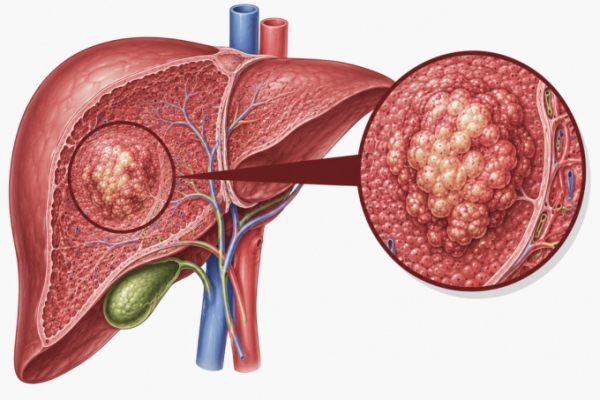
Liver cancer (hepatocellular carcinoma) is a common malignant tumor closely related to hepatitis B virus infection, cirrhosis and aflatoxin exposure. Learn about its causes, symptoms, treatment and pr
The etiology and pathogenesis of primary liver cancer are not fully understood. According to research, it is related to alcohol consumption, viral hepatitis, food and water, toxins and parasites, and genetic factors. Secondary liver cancer refers to cancer that has metastasized to the liver from other organs.
1. Chronic HBV or HCV Infection: Chronic infection with hepatitis B virus (HBV) or hepatitis C virus (HCV) is the most important risk factor in China. About 90% of hepatocellular carcinoma patients in China have a history of HBV infection. Infection leads to chronic hepatitis, which progresses to cirrhosis and then liver cancer.
2. Cirrhosis: Cirrhosis of any cause increases the risk of liver cancer, and most liver cancer patients in China have accompanying cirrhosis. In addition to viral hepatitis, non-alcoholic fatty liver disease and primary biliary cirrhosis may also progress to cirrhosis and cancer.
3. Food and Water: Long-term intake of moldy food contaminated with aflatoxin, foods containing nitrosamines, foods deficient in trace elements, or drinking water polluted by algal toxins is closely related to the occurrence of liver cancer.
4. Heavy Alcohol Consumption: Heavy drinking increases the risk, especially when combined with chronic viral hepatitis.
5. Smoking: Smoking increases the risk of liver cancer; quitting reduces but does not fully eliminate the excess risk.
6. Type 2 Diabetes: Diabetes is associated with an increased risk of liver cancer, particularly when accompanied by heavy drinking and/or chronic viral hepatitis.
7. Genetic Factors: Family clustering is related to genetic susceptibility as well as shared dietary habits and living environment.
Early-stage liver cancer is often asymptomatic and is commonly detected during screening of high-risk populations. As the tumor grows, the following symptoms may appear:
Right Upper Quadrant Pain: The most common symptom, caused by tumor enlargement stretching the liver capsule. Pain may be dull or stabbing and worsens at night or after exertion.
Abdominal Mass: A palpable hard mass in the right upper abdomen or epigastric region.
Digestive Symptoms: Loss of appetite, nausea, vomiting, abdominal distension and early satiety.
Systemic Symptoms: Unexplained weight loss, fatigue, low-grade fever and anemia.
Jaundice: Yellowing of the skin and eyes when tumor compresses the bile ducts or when liver function deteriorates.
Ascites and Edema: Fluid accumulation in the abdomen and leg swelling in advanced disease with cirrhosis.
Bleeding: Gastrointestinal bleeding from esophageal varices or tumor rupture, presenting as hematemesis or black stools.
Paraneoplastic Syndromes: Hypoglycemia, erythrocytosis, hypercalcemia and others may occur as tumor-related systemic effects.
Liver cancer is relatively insensitive to chemotherapy and conventional radiotherapy. Common treatment methods include surgical resection, liver transplantation, vascular intervention, radiofrequency ablation, and targeted therapy. Early diagnosis and comprehensive treatment based on surgical resection are the keys to improving long-term outcomes.
Surgical Resection: The preferred treatment for early-stage liver cancer with adequate liver function reserve and resectable tumor.
Liver Transplantation: The best option for selected patients with early-stage disease and poor underlying liver function.
Local Ablation: Radiofrequency ablation and microwave ablation are effective for small tumors (usually <= 3 cm).
Transarterial Chemoembolization (TACE): The main treatment for intermediate-stage unresectable tumors.
Targeted Therapy and Immunotherapy: Tyrosine kinase inhibitors (sorafenib, lenvatinib) and PD-1/PD-L1 inhibitors have significantly improved survival in advanced disease.
Antiviral Therapy: Oral nucleoside analogues are very important for patients with active HBV replication, reducing postoperative recurrence and improving survival.
Supportive Treatment: Hepatoprotective drugs, nutritional support and symptomatic management protect liver function and improve quality of life.
Overall Survival: Early-stage liver cancer treated with curative resection or ablation can achieve a 5-year survival rate of 50-70%. Advanced or metastatic disease has a poor prognosis.
Favorable Factors: Small single tumor, early stage, well-preserved liver function (Child-Pugh class A), and negative margins after resection are associated with better outcomes.
Unfavorable Factors: Vascular invasion (especially portal vein tumor thrombus), tumor rupture, extrahepatic metastasis, poor liver function and elevated alpha-fetoprotein (AFP) indicate a worse prognosis.
Recurrence: The recurrence rate after curative resection is high, approximately 50% within 5 years. Most recurrences appear within the first 2-3 years, so close surveillance with AFP and imaging is essential.
Role of Treatment: Multidisciplinary treatment combining surgery, ablation, TACE, and systemic therapy has markedly improved survival in recent years.
Screening: High-risk populations (chronic HBV/HCV carriers, cirrhosis patients, family history) should undergo abdominal ultrasound and AFP testing every 6 months for early detection.
Vaccination: Hepatitis B vaccination is recommended for all uninfected individuals to prevent infection and subsequent liver cancer.
Antiviral Therapy: Patients with chronic HBV/HCV infection should receive regular antiviral treatment to slow progression to cirrhosis and cancer.
Diet: Avoid moldy food contaminated with aflatoxin, limit alcohol consumption, maintain a balanced diet with adequate protein, and eat fresh vegetables and fruits.
Lifestyle: Quit smoking, control body weight, and actively manage diabetes and fatty liver disease.
Post-Treatment Follow-Up: After treatment, monitor AFP and undergo imaging (ultrasound, CT or MRI) every 3-6 months for the first 2 years, then every 6-12 months thereafter.
Avoid Hepatotoxic Drugs: Use caution with drugs that may damage the liver, and follow medical advice on medication use.
Concerned about Liver Cancer? Submit your medical records for a professional evaluation.
Upload Documents View Patient CasesPrepare pathology reports, imaging scans, genetic testing reports and prior treatment records for faster review.